Empowering Survivors: Essential Strategies for Cancer Awareness and Community Support
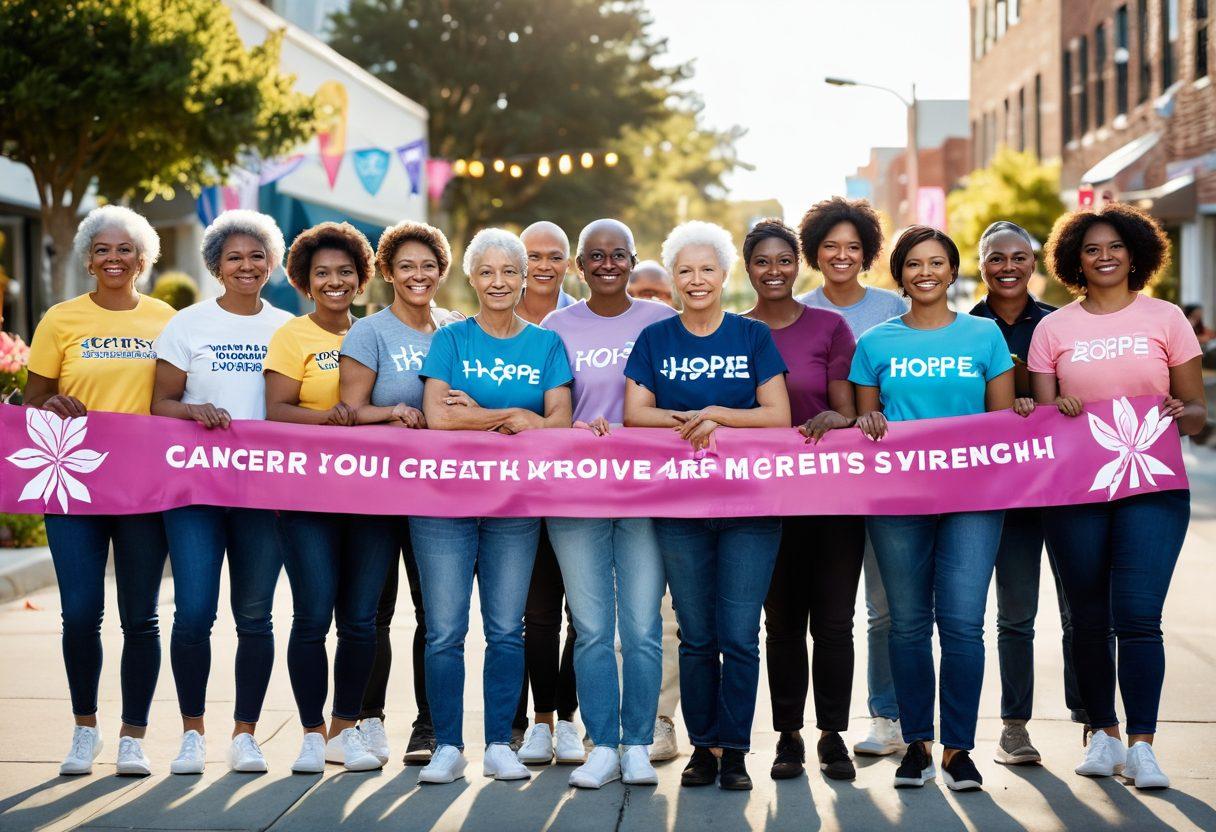
Navigating the road to recovery is a journey filled with hurdles, particularly for cancer survivors who may feel as if they are perpetually walking in a fog. The statistics surrounding malignancy are staggering — *around 1.9 million new cases of cancer will be diagnosed in the U.S. alone in 2023*. Yet, stories of resilience shine through the darkness. Survivors often emerge with a wealth of knowledge, wisdom, and a passionate drive to empower others. How can communities rally to make this journey a smoother one for those affected by neoplasms?
Cancer is not merely a disease of the body; it's an experience that impacts every facet of life — physical, emotional, and social. Survivors face an uphill battle in adjusting to 'life after diagnosis,' often demanding extensive medical research and therapeutic options. This is where patient care becomes crucial. How can we better support these brave individuals? By advocating for comprehensive healthcare strategies that include not just treatments like immunotherapy and targeted therapy but also psychosocial support and health education. After all, the journey to recovery should never be a solo endeavor.
Imagine stepping onto a stage to share your story, joining a supportive community of fellow warriors, each with unique survivor stories that ignite hope and resilience. Support groups act as critical lifelines, offering a space where patients and their families can share feelings and learn about lifestyle changes that foster holistic health. Coupled with the right resources for patients, this communal aspect of recovery rejuvenates spirits. Could the narratives of survivors serve as guiding lights toward a more comprehensive cancer awareness initiative?
It's essential to consider that recovery isn’t solely about battling tumors; it involves an integrative approach that encourages nutritious living, mental well-being, and ongoing clinical trials aimed at finding better therapies. Nutrition plays a pivotal role — how can dietary adjustments impact a survivor's quality of life? Engaging in health education around cancer prevention and the benefits of early detection can arm individuals with knowledge that may reduce risk factors. This ongoing dialogue enhances community support and encourages more individuals to join the healing process actively, fostering a culture of awareness.
Finally, let’s not overlook the empowering nature of storytelling and survivor advocacy. Each shared experience can alter perceptions and combat stigmas associated with carcinomas and their treatments. Communities that promote screening and provide palliative care options not only prioritize the survival of their members but also foster an environment where ongoing education leads to broader understanding and acceptance. It begs the question: how can we create more spaces for these essential dialogues, ensuring that cancer survivors feel seen, supported, and celebrated as vital contributors to their communities?
Breaking Barriers: Fostering Cancer Awareness Through Community Engagement and Education
In a world where cancer continues to touch the lives of countless individuals and families, raising cancer awareness through community engagement and education is more crucial than ever. Imagine walking into a room filled with people whose lives have been impacted by malignancy, each with a story that adds to the intricate tapestry of human resilience. These stories are crucial; they transcend the clinical confines of oncology, shedding light on the lived experiences behind the statistics. How can we harness these narratives to foster stronger community bonds and improve healthcare outcomes?
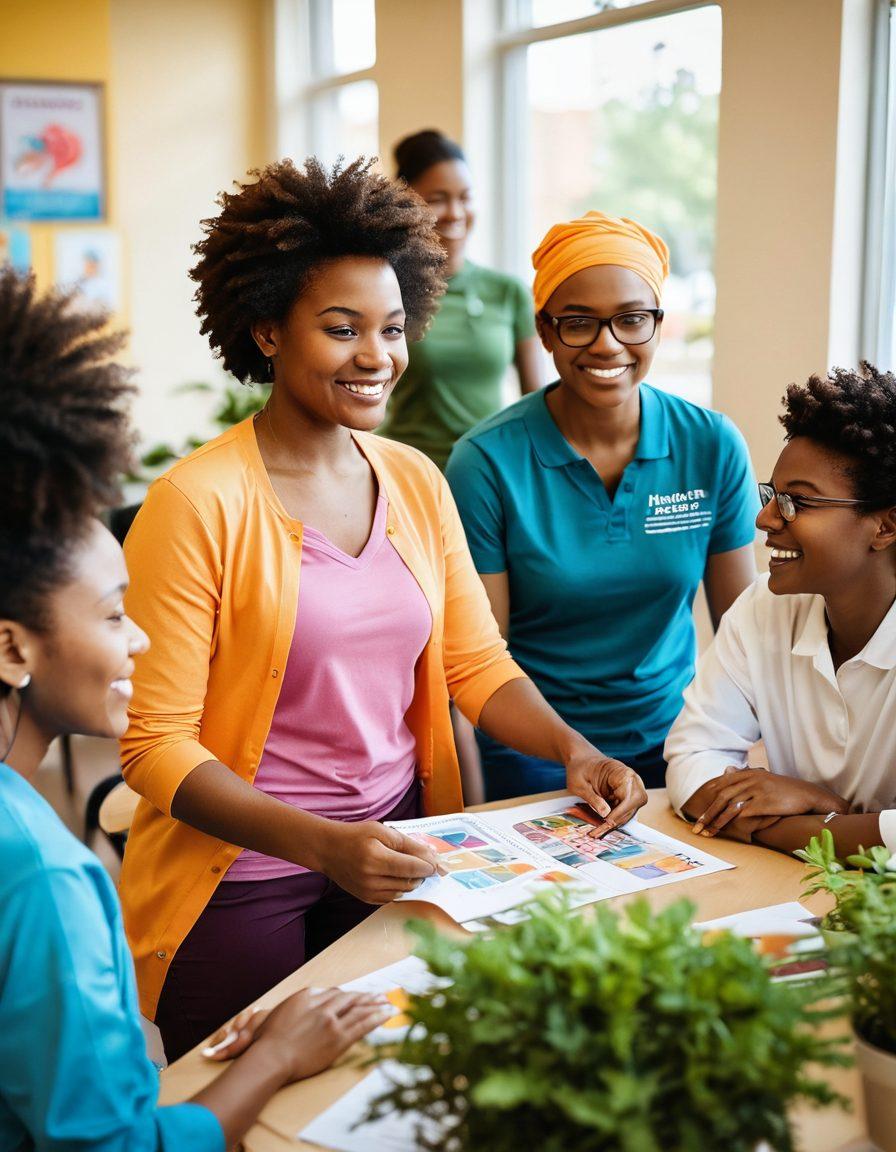
Community support serves as a backbone for cancer survivors, enabling them to navigate the complexities of treatment and recovery. Educational programs and support groups can equip individuals with knowledge about risk factors, screening, and early detection, making them active participants in their health journey. For instance, consider a neighborhood hosting monthly workshops focusing on nutrition and cancer, where experts share valuable insights on lifestyle changes that enhance quality of life. Could a local community's proactive approach be the key to breaking barriers in cancer awareness and prevention?
The essence of holistic health lies in the integration of various elements—including nutrition, psychosocial support, and patient advocacy—into the cancer care continuum. Survivors often report that their experience with malignancy was as much a mental journey as it was physical. Through art therapy or mindfulness workshops offered within community support structures, survivors can find strength in expression, helping alleviate the mental burden of their journey. Isn't it fascinating how a simple community initiative can pave the way for innovative therapies that address not just the tumor, but the whole person?
Consider the transformative potential of community engagement programs that involve survivors sharing their stories. Each survivor's experience adds depth to the understanding of what it means to endure and overcome cancer. These survivor stories can create a ripple effect, encouraging others to seek medical advice or participate in clinical trials aimed at improving therapies. When was the last time you heard a story that changed your perspective on life's challenges? In this way, harnessing the power of storytelling promotes not just awareness, but also a sense of connection among diverse community members.
As we look to the future, the importance of resources for patients cannot be overstated. Comprehensive education on cancer prevention and treatment modalities—ranging from immunotherapy to palliative care—can empower individuals to make informed decisions about their health. Moreover, fostering an environment where healthcare professionals collaborate with local communities can lead to more effective cancer care strategies. Isn’t it vital for us to unite in the fight against cancer, breaking down barriers and accelerating the path to enhanced survivor outcomes?
Thriving Beyond Diagnosis: Empowering Survivors with Resources, Support, and Patient Advocacy
Receiving a cancer diagnosis can feel like being thrust into a storm where every sensation intensifies, and every moment is filled with uncertainty. Yet, amidst that chaos, many inspiring survivor stories shine through. These individuals are not merely fighting against malignancy; they are thriving beyond their diagnosis. They have discovered the power of community support, patient advocacy, and essential resources that not only contribute to their healing but also enhance their quality of life. In this blog, we delve into the critical aspects of empowering survivors through holistic health strategies, aiming to equip them with the right tools to navigate their journey towards well-being.
When we speak of thriving beyond a cancer diagnosis, it's essential to acknowledge the significant role of healthcare systems in providing comprehensive resources. From medical research to clinical trials, advancements in therapeutics allow for a tailored approach to each patient’s care. Alongside targeted therapies and immunotherapy options, oncologists and healthcare professionals are paving the way for personalized treatment plans, tailored to individual tumor characteristics. But how can survivors leverage these innovations? By engaging in informed discussions with their healthcare providers and seeking resources that promote health education, patients can proactively manage their cancer journey with confidence.
Additionally, psychosocial support cannot be overlooked. As cancer warriors navigate their treatment and recovery, the emotional toll can be immense. This is where support groups come in, offering a safe haven where survivors can share their stories, fears, and triumphs. Community support fosters an environment of understanding and compassion, reminding individuals that they are never alone in their battles. Engaging with others who have similar experiences nurtures resilience and often instills hope during challenging times. Have you ever found comfort in a shared story?
Adopting lifestyle changes rooted in holistic health philosophies can also aid in recovery and long-term well-being. Nutrition and cancer are intimately connected; a balanced diet can bolster the immune system, enhance energy levels, and improve symptoms management. Integrative medicine that incorporates therapeutic practices such as yoga, meditation, and nutritional counseling has shown promising results in helping cancer survivors manage stress and cultivate a sense of well-being. What if the secret to thriving lies in cultivating wellness alongside treatment?
Lastly, patient advocacy is paramount in the fight against cancer. Empowering survivors to take charge of their health journey involves advocating for rights, resources, and necessary screenings for early detection of potential neoplasms. Understanding risk factors and being proactive about healthcare navigation can drastically change the dynamic of patient care. If we all played an active role in not only our journeys but also in raising awareness and supporting others, imagine the ripple effect it could have on cancer prevention in our communities. Let's stand together in harnessing the power of knowledge and community support, not just for ourselves but for future generations.